
About Abraham Eshtie
Abraham is a Youth Climate Capacity Builder, Data Scientist, and Founder of Umoja Seed based in Addis Ababa, Ethiopia. With a background in Community project leadership including AIESEC and other youth-led climate and environmental initiatives. His focus spans between Data Driven climate innovation and Holistic capacity building for Young African Climate Leaders. He specializes in translating complex environmental theories into actionable, data-driven local resources. Following his participation in a hands-on workshop on BSF technology in Adama under the BUGS Project (Biomass Utilisation by Insects for Green Solutions in Africa), funded by PREVENT Waste Alliance and Climate & Clean Air Coalition, and implemented by Africa Circular with partners. Abraham is now focused on the intersection of urban waste logistics and "Resource-to-Output Efficiency" in the Black Soldier Fly sector.
Connect with Abraham on LinkedIn to follow his journey in Data Science and Climate Action.
The Interview
SoldierFlyHub: You mentioned seeing theory translate into practice. Was there one specific part of the BSF lifecycle that looked “easy” on paper but proved to be the most complex during the hands-on training?
Abraham: In theory, the BSF lifecycle looks straightforward: collect organic waste, let the larvae feed, and harvest. However, standing on the farm in Adama, I realized the delicate nature of the whole system.
The most complex part wasn't a single stage, but the realization that this is a smart, living industry. Touching the larvae, measuring substrate, and feeling the heat from the pre-pupae’s metamorphosis showed me that tiny changes matter. It shifted my perspective from a generic circular solution to a responsive production unit. It’s a system you work with, not one you simply control.
SoldierFlyHub: From a data perspective, how critical is feedstock consistency when trying to hit yield targets in a city like Addis Ababa?
Abraham: In a city like Addis, juice houses generate 30–50 kg of fruit waste daily. In an "optimal bubble," 40 kg of waste produces 4–8 kg of larvae and 8–16 kg of frass. But reality requires precision.
Moisture content (ideally 60-70%) is the difference between efficient feeding and an anaerobic, foul-smelling mess. We use tools like the BSF Substrate Navigator to assess suitability. Consistency isn't just about volume; it's about the carbohydrate-to-fiber ratio and keeping inorganics out of the stream.
SoldierFlyHub: As someone with a background in Data Science, what’s one metric you think BSF practitioners should be tracking more closely to prove ROI?
Abraham: ROI isn't a single number. For a farmer in Kenya using brewer's waste, the metric is 'larval yield per kg of input.' For a waste collective in Mombasa, it's 'total waste reduction percentage.'
If the data nerd in me had to pick one, it would be “Resource-to-Output Efficiency.” This measures how much waste is successfully converted into value (larvae or frass) across all practitioner types. ROI is realized the moment organic waste becomes a tradable product.
SoldierFlyHub: What was the biggest takeaway from connecting with other Ethiopian practitioners?
Abraham: The network is diverse; from PhD researchers to farmers "eyeballing" metrics through lived experience. The biggest local challenge is that these networks are often informal and dispersed, making knowledge-sharing difficult. However, platforms like the Africa BSF WhatsApp community are beginning to close that gap, fostering the market linkages and collaborations needed to scale.
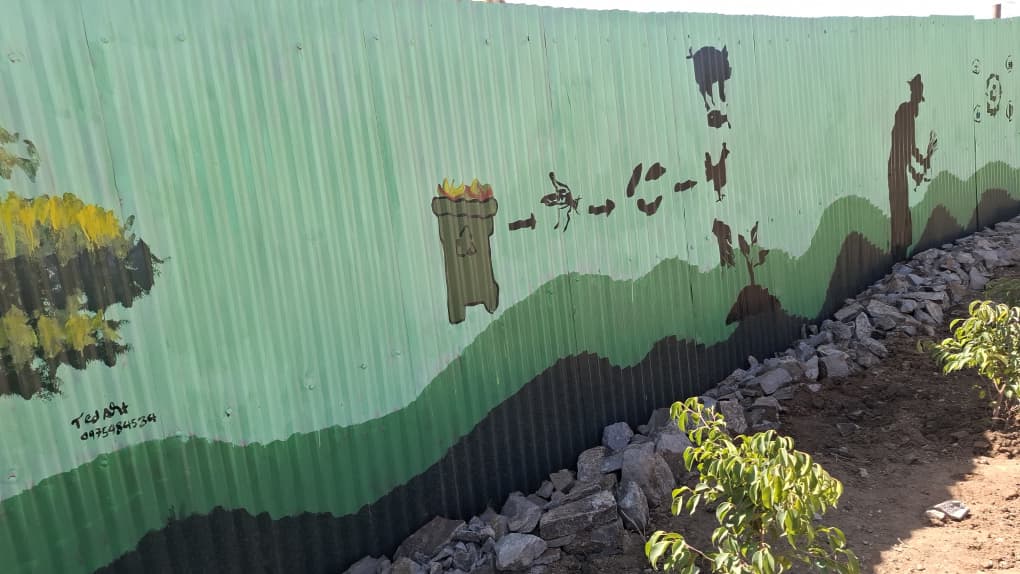
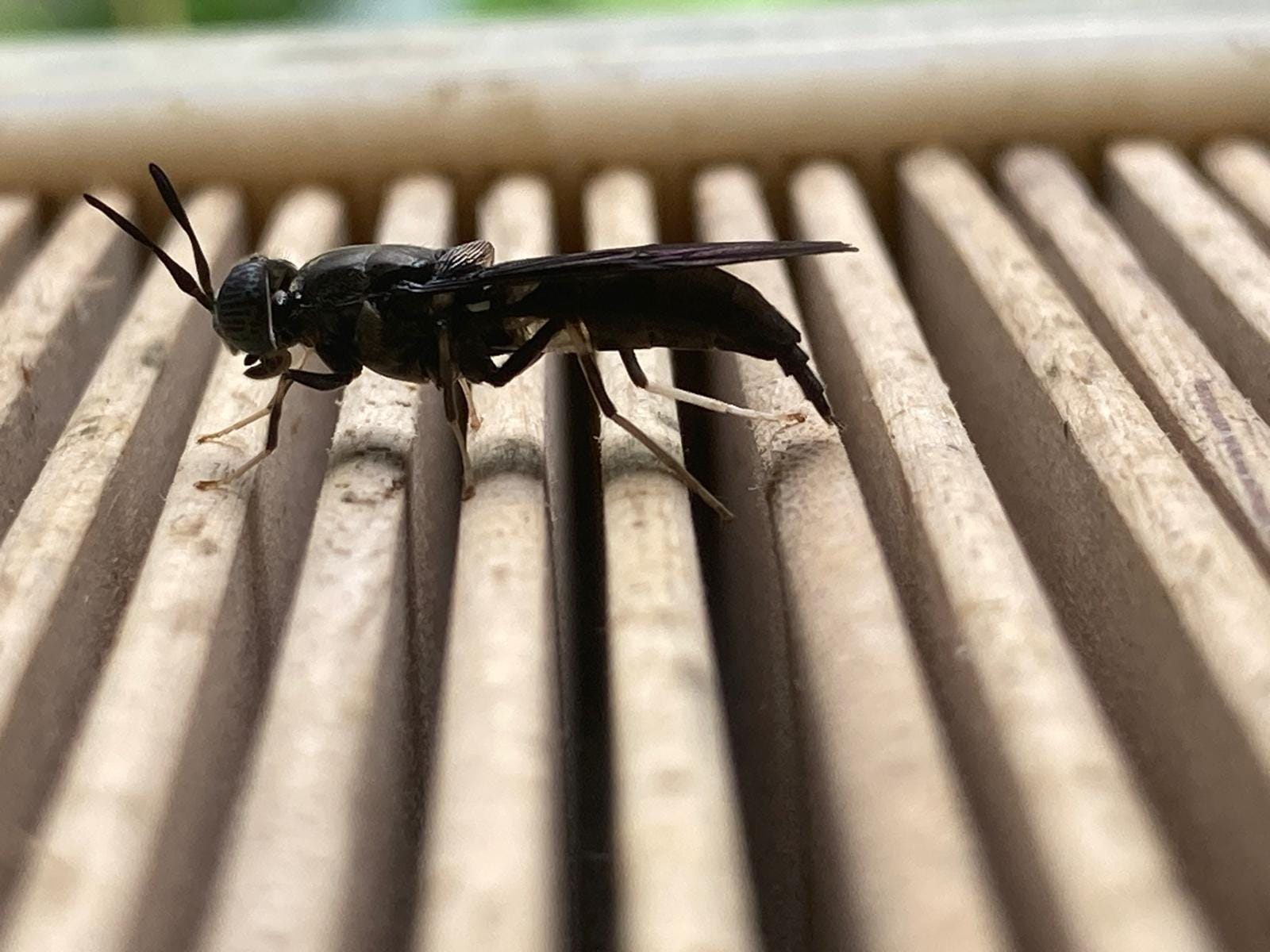
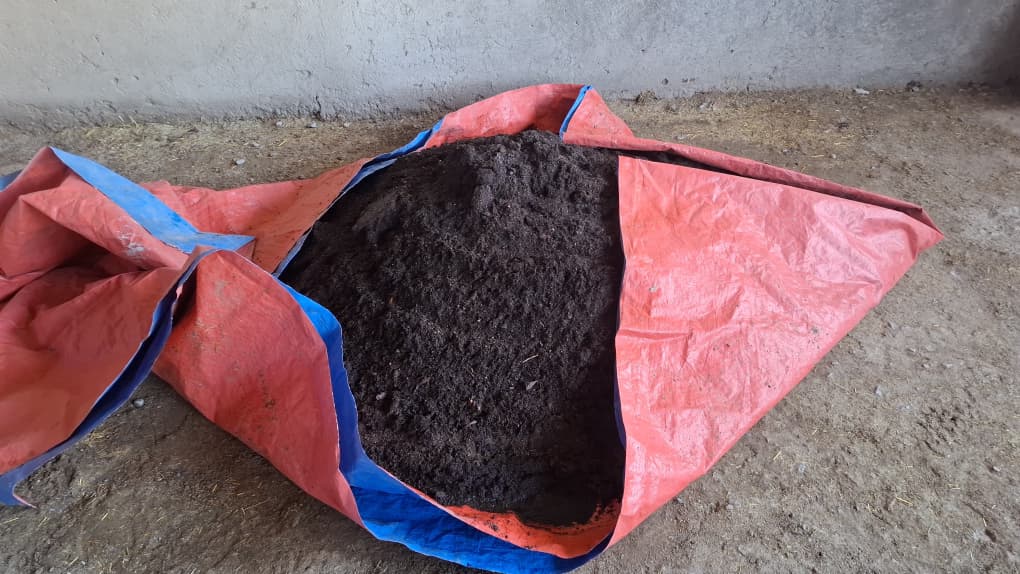
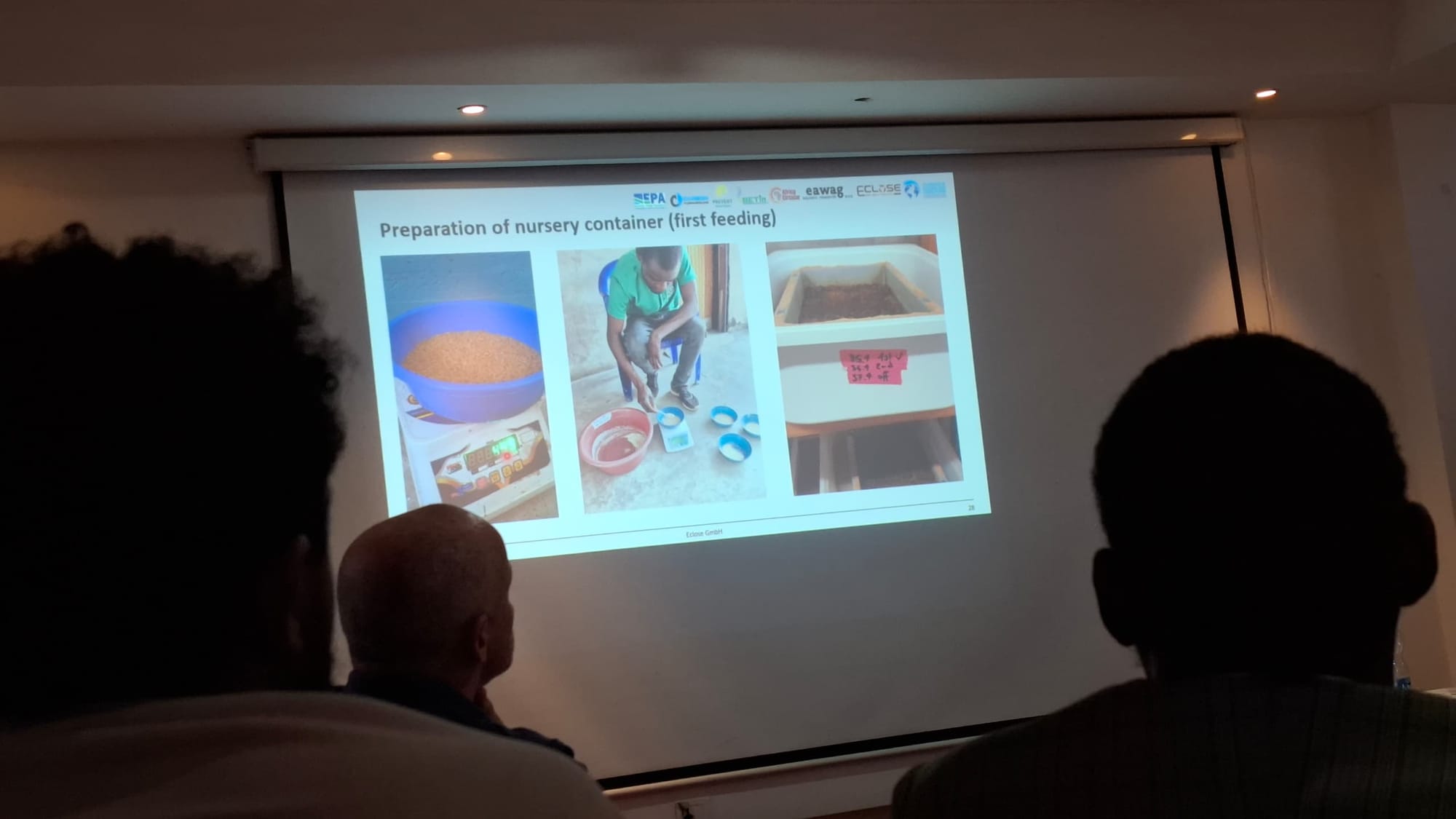
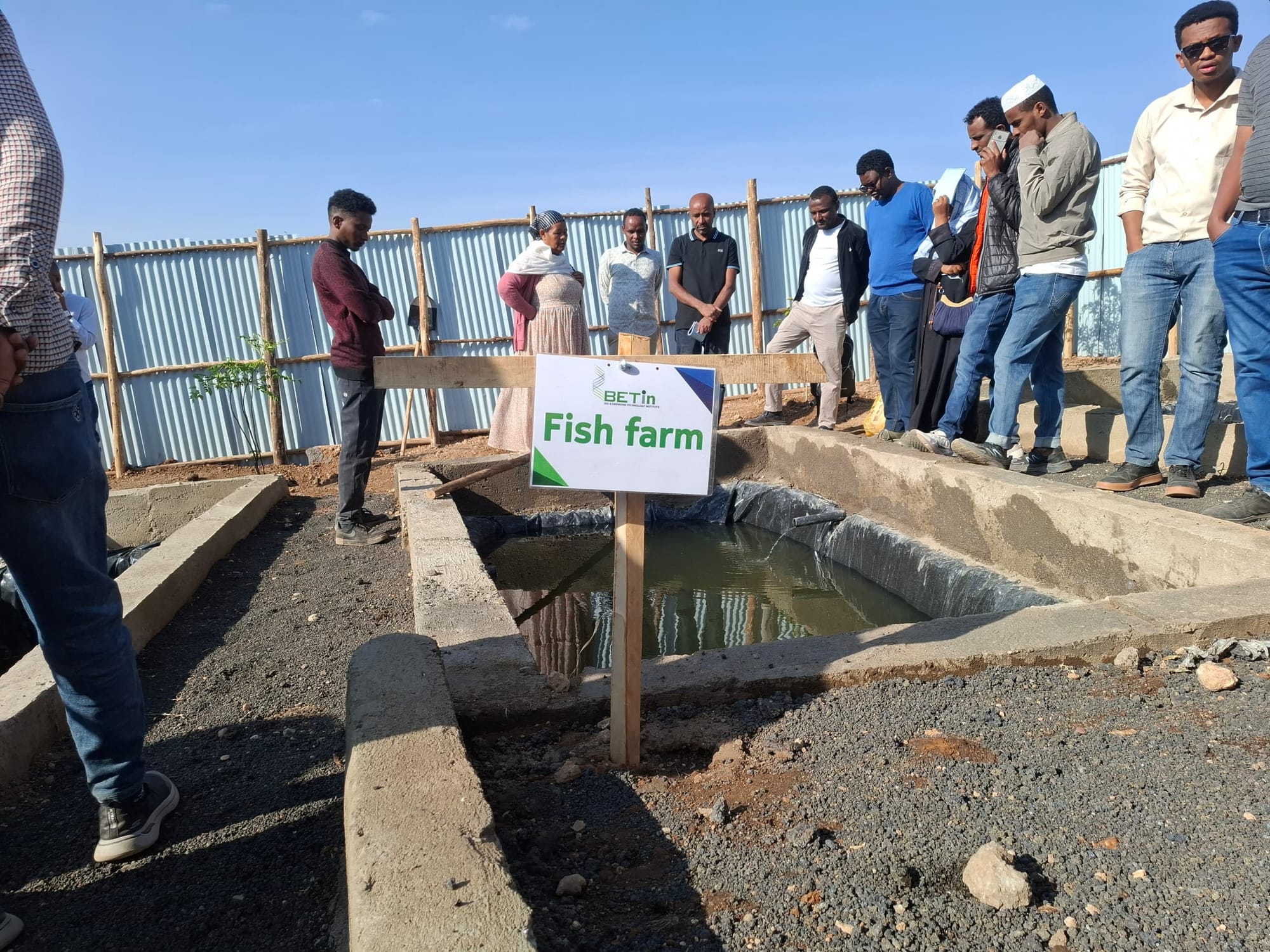
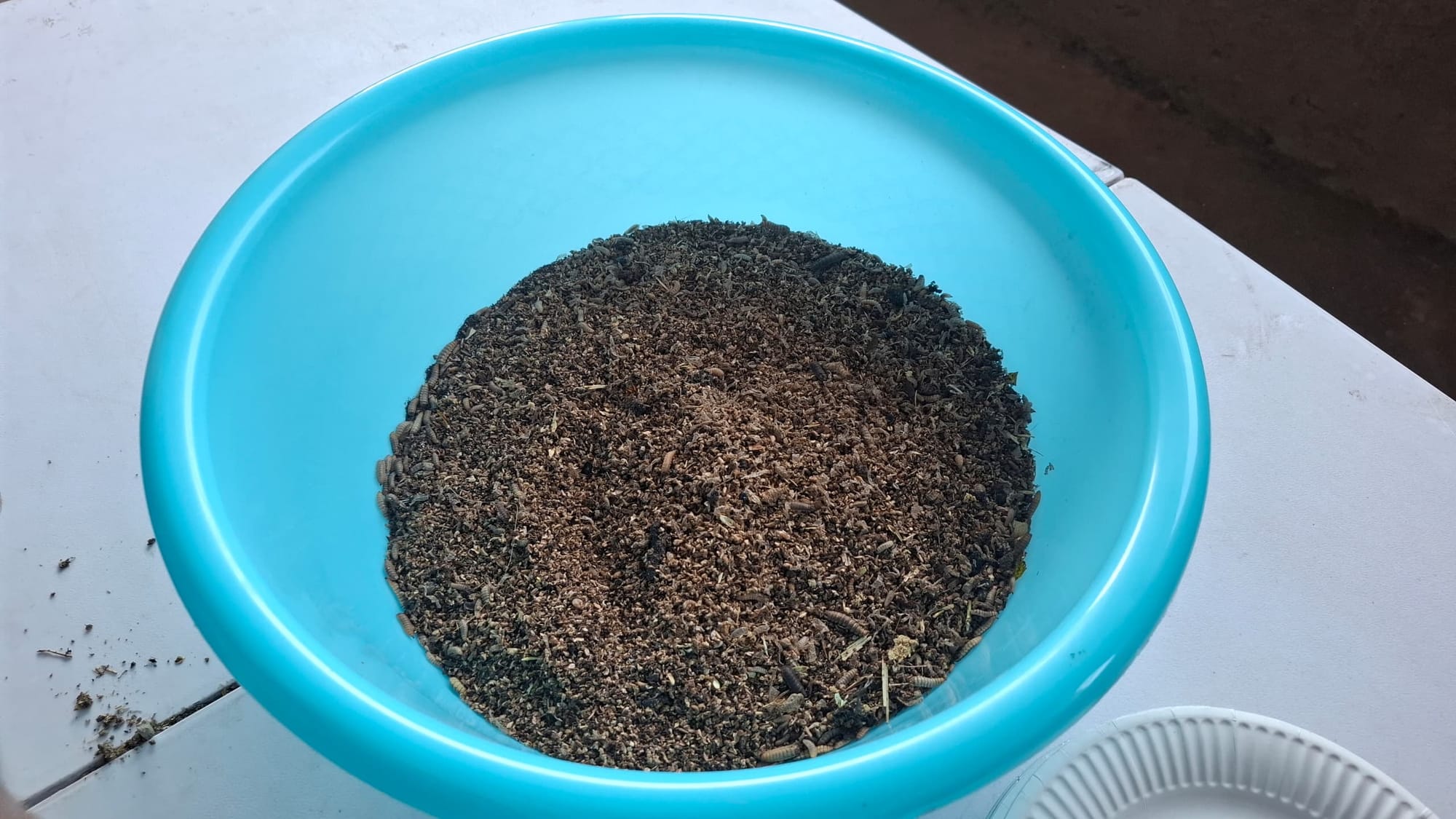
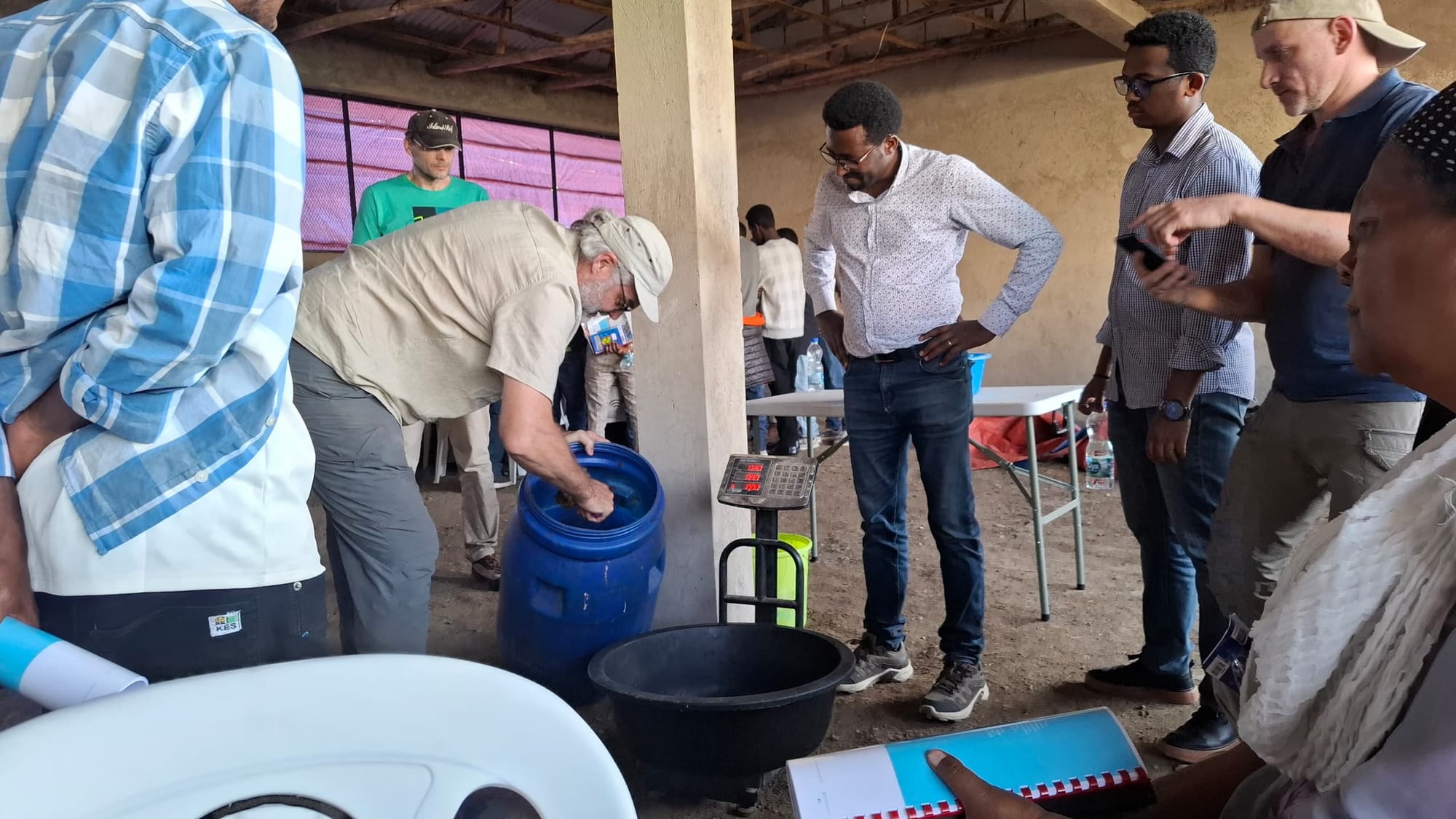
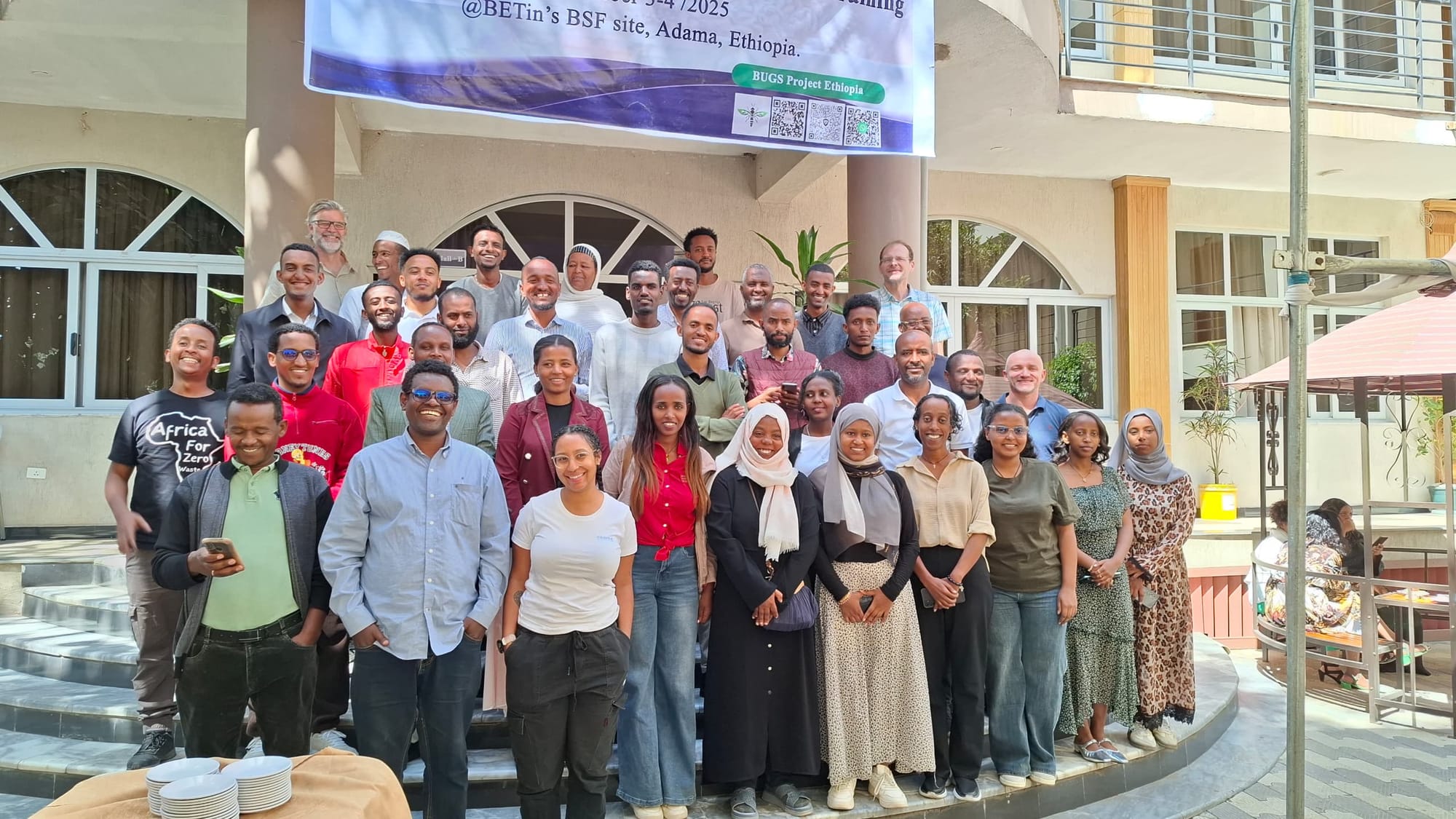
Photo courtesy of Piotr Barczak, Africa Circular & Amenti Daniel Emiru, Cosmos Ethiopia
Want the full technical details? Download the uncut transcript of the interview